
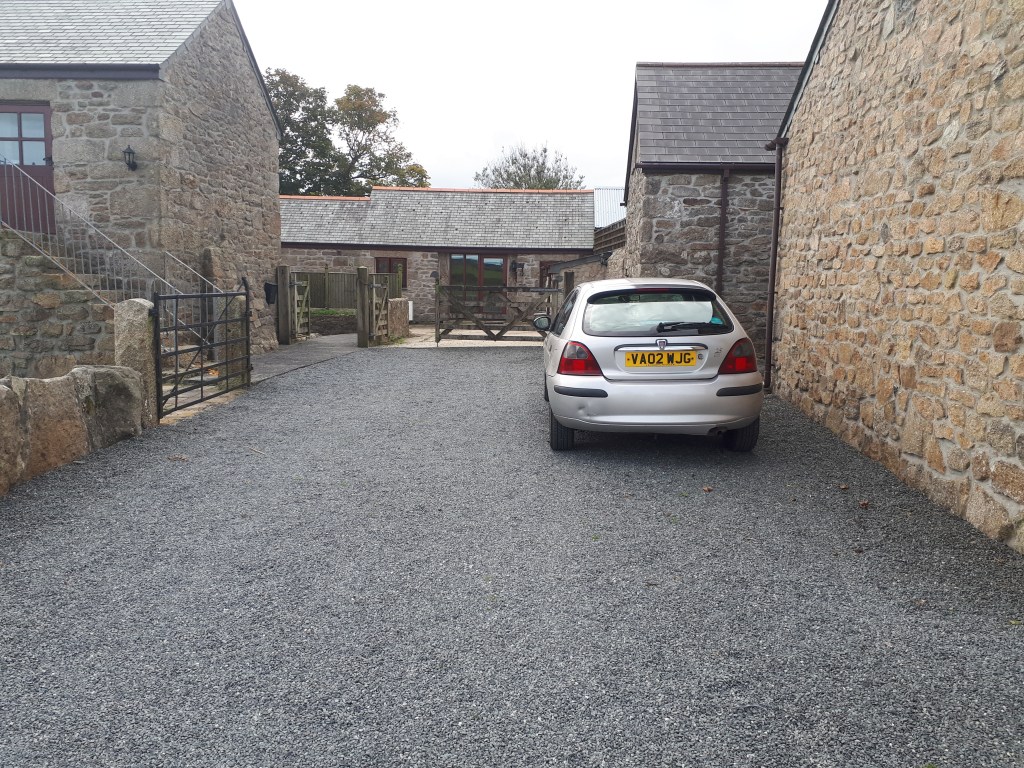
Buying old shite (the term Bangernomics is the same thing and was coined by a well known motoring journalist) is a hobby to some, a way of life to others and for some people, a necessity. I pretty much fall into all three camps and have owned all manner of different old bangers over the last Lord alone knows how long. Some have been great, some have been absolutely bloody appalling, but I’ve wracked my brain and I think I’ve come up with the ideal candidate. It fulfils the brief in two ways: buy it and run it until it breaks, scrap and repeat or it’s something you can buy, keep roadworthy for a good few years without having to spend massive amounts of money doing so. It’s also simple enough to work on that most jobs can be done at hoem if you can use a socket set.
It’s the R3 type Rover 200 and later 25. A car that pretty much lived in the shadow of its predecessor – the R8 200. The R8 was a serious engineering exercise that was good to drive, practical, stylish and felt a cut above its rivals. However, these are rising in values now as they transcend from banger to strictly for enthusiasts status and are a bit too nice to simply buy as a workhorse. But that is where the R3 steps in.
When new, the R3 200 had to put up with not being quite as big as the R8 and as a result, a bit more claustrophobic inside. It had to put up with Rover’s hopeless marketing team projecting it into the class above. It was fairly expensive when new compared with the opposition, and a bit of wood and leather didn’t fool people into buying premium. Which is a shame, because premium cars are all the rage these days thanks to the car badge class system. In 1999, though, Rover decided they were wrong. They face-lifted the 200 which brought in a new front end similar to the 75 and other minor aesthetic refinements. There were also technical upgrades including suspension and steering. More importantly, though, the whole range had been realigned and repriced to compete with Fiestas rather than Focuses. The 200 became the 25 and was a better car.
All R3s were powered by the and the rough and ready but tough L Series diesel engine, and the – at the time – acclaimed K Series engine in 1.1 8 valve form right up to the 1.8 16 valve with variable valve timing. But we all know the stories of that engine, don’t we? If not, them I’m sure some smart arse will be here shortly to question how many MPG (miles per gasket) one has achieved from one’s K Series powered machine. But fear not, I’m not about to recycle All The Internet and go down that route.
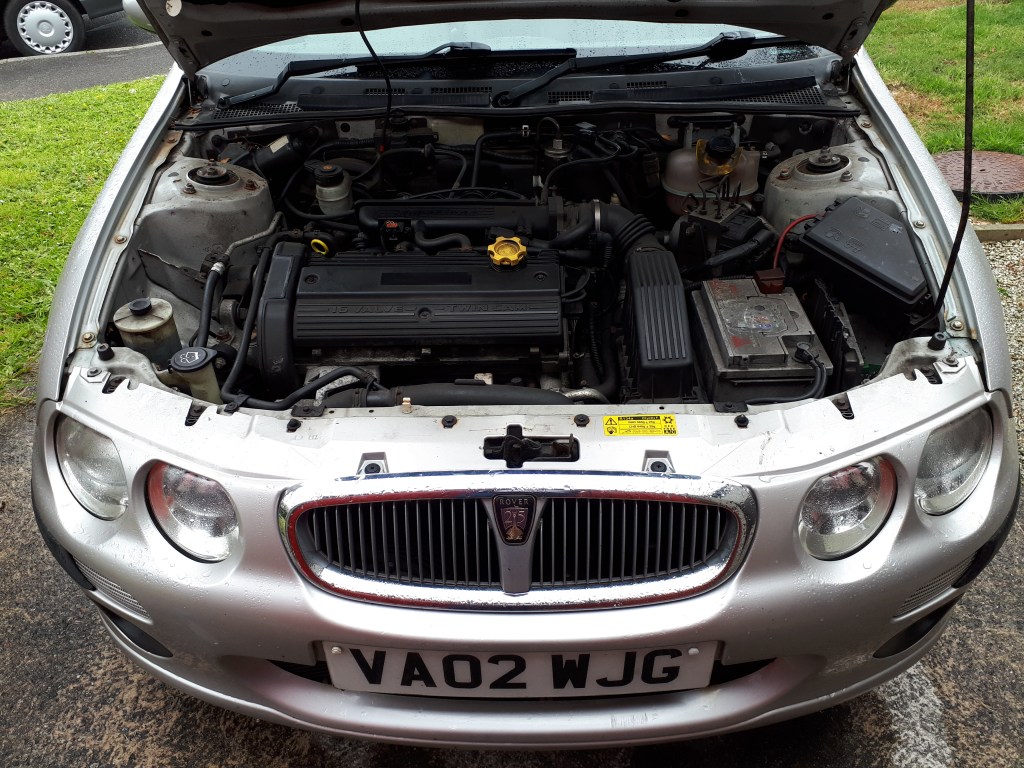
Instead, I’m here to extol the virtues of the R3 because none of the above matters now that the car is far from being new and is worth about about the same as a pint of beer. As an aside, a good mate of mine bought a Rover 45 for the princely sum of £3.19, MoT’d it and put it into daily service. I’ve driven it and it’s a bloody good little car. I’ve owned three versions of the R3 – two Rover 25s and an MG ZR. I’ll concentrate on the Rover versions because the MGs are starting to rise in value.
The R3’s party piece really is there isn’t an awful lot to go wrong on them, and what’s left is usually easily fixable. There’s no CAN networks or body computers to upset proceedings and render the whole car scrap if one of those related components happens to fail. The L-Series diesel is a sturdy old Hector, too. It may sound a bit Massey Ferguson, but it’s a strong engine and will rack up the miles with very little in the way of problems. There’s a reasonable parts supply with service items available from most local motor factors, and a handful of MG and Rover parts specialists online for everything else – or even genuine service parts if that’s what you require. Additionally, there are a few companies that specialise in K Series repairs and at least one of them is mobile. So if worse case scenario happens with the cooling system, it can be put right by a specialist for not a massive amount of coin, providing years of motoring ahead. Aside from the K Series, the other main bugbear is rust – they do like to corrode a little. Pre-Project Drive examples are the best to go for (manufactured between 1999 and 2002) as the rustproofing worked then better than the final few years. The front wings can go at the leading edge, they can get a little tatty around the wheel arches, around the boot lock, sills and floor. The earliest incarnation of the R3 – the 200 – are dwindling in numbers thanks to the newest example being 21 years old. However, it’s not necessarily difficult to find a good 25 there still seems to be quite a number of those still on the road. Largely to do with Rover’s demographic audience being older and retired folk who actually looked after and maintained stuff and the refreshing lack of being equipped to the maximum with needless electrical twattery, allowing more time to consider the exquisite engineering.
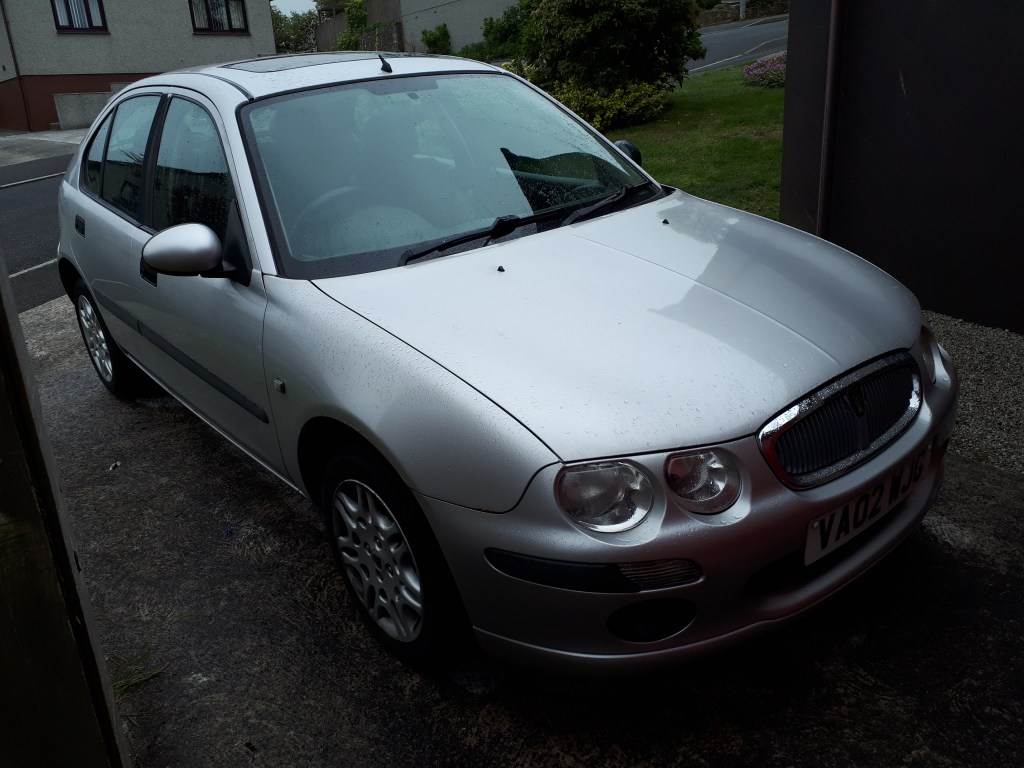
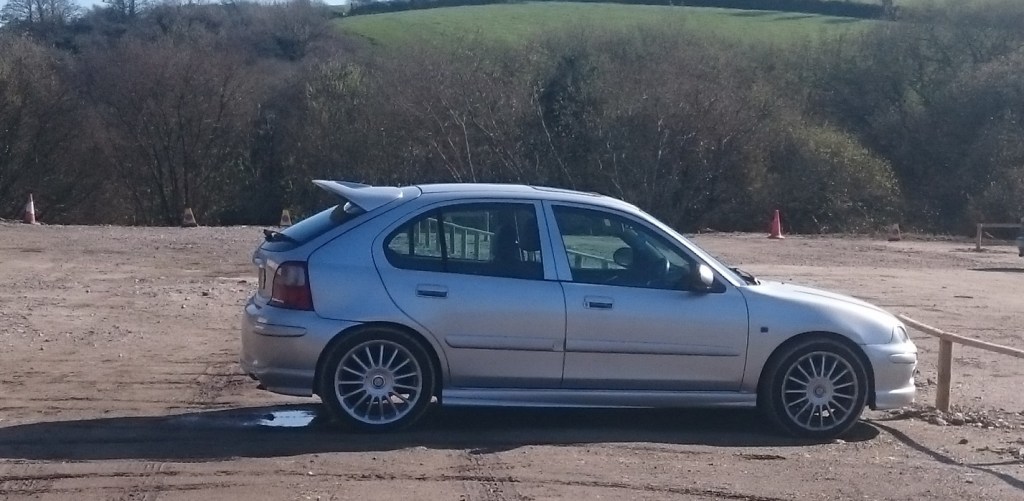
Perhaps the only thing to throw up any real drama is the CVT gearbox, known affectionately by some (at least three people) as BoingDrive. The example photographed here was a 25 iXL BoingDrive that was purchased for £300 and did 12,000 miles in the 12 months we had it. The drive plate sounded like a group of skeletons having an orgy in a tin and the starter solenoid wire needed repairing. And aside from a small patch of welding on the sill and a clean up of the rear caliper, it cost next to nothing in maintenance costs. I never serviced it or did any preventative maintenance, it just never let us down. Until one fateful day where the new custodian drove it 10 miles and the gearbox was beyond needing some fine adjustments. It was later scrapped. Avoid the CVT and buy an example with the manual gearbox because the PG1 gearbox is tough, and the last year or so of production the 25 was equipped with a Ford Focus gearbox so there was at least a decent gear change.
But what else do you get? Well, they’re a decent steer for a start regardless of what version you go for. The steering has good feedback, the handling and ride are good, and depending on which engine you go for, have a reasonable turn of speed, too. The L Series diesel can be turned up for OMGBOOSTZ and everything. There’s a reasonable amount of room inside, and we managed with an R3 as a main family vehicle from when my son was a toddler up until last year. You’ll also get to experience Rover’s batshit crazy equipment levels and options. Indeed it was possible to have wood, a full leather and air conditioning, yet still have keep fit windows. My pick of the bunch would be the 1.6 petrol as it’s a decent all-rounder, and if you find one that’s already had the work done to the h*** g*****, it will provide you with a good few years of reliable service. Just keep an eye on the rust, avoid the CVT and check the sunroof doesn’t leak.
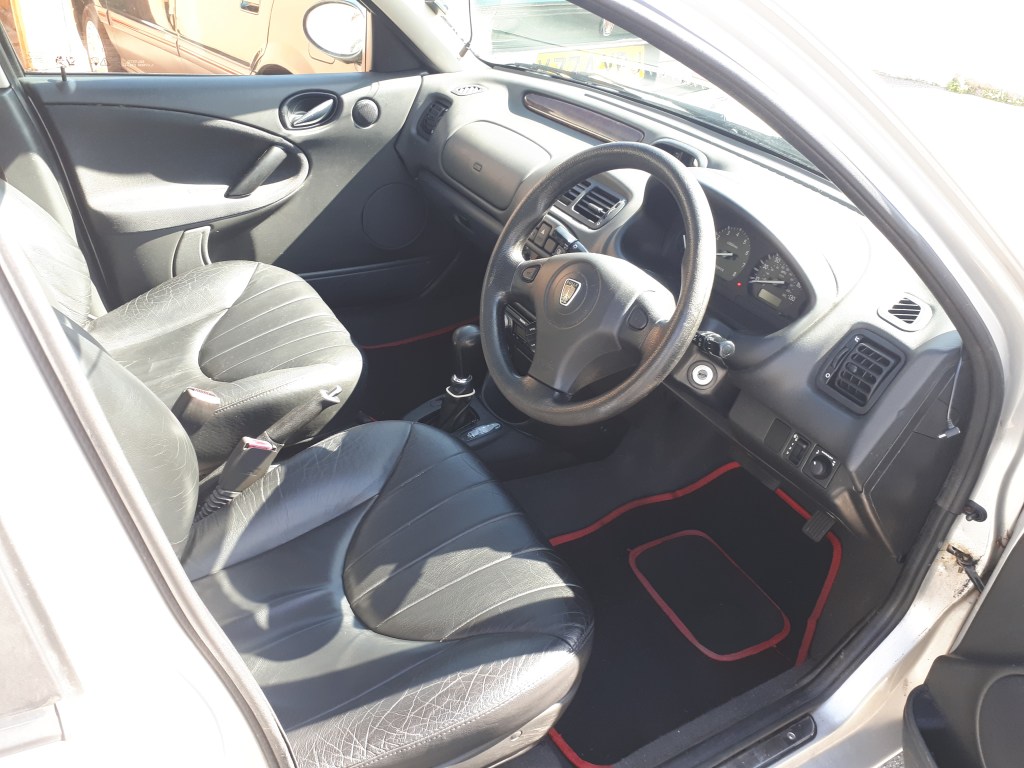
If you look back through this blog, you’ll find the low down on my first Rover R3 ownership experience. If you can’t be bothered to find it, I’ll waste your time a little right here. Our daily driver was driven into by a moron in a Laguna in a shopping car park. The insurance company wrote it off and collected it two days before we were due to go away on a family holiday. A hire car was going to cost north of £380, but at the end of the our road my wife spotted a Rover 25 for sale for £475. She phoned up the seller, haggled a bit as it needed a tyre, got it down to £430. We then went and bought it, raced down to the post office to tax it and then on to the local tyre fitters. This was Wednesday afternoon into the evening, and we were going away early Thursday morning. The general attitude was use it and abuse it on holiday and if it breaks, bin it. If we didn’t get on with it, bin it off and get something else.
We kept it. For another 18 months where it clocked up 18,000 reliable miles. I never thought much of Rovers before this car, now I’m a big fan. I replaced it with an MG ZR TD+ but actually preferred the Rover. I fancy a Streetwise next…


 extrasoftblogroll.co.uk